
Creative Biolabs Highlights Growing Role of Epitope Mapping in Antibody Discovery and Vaccine Research
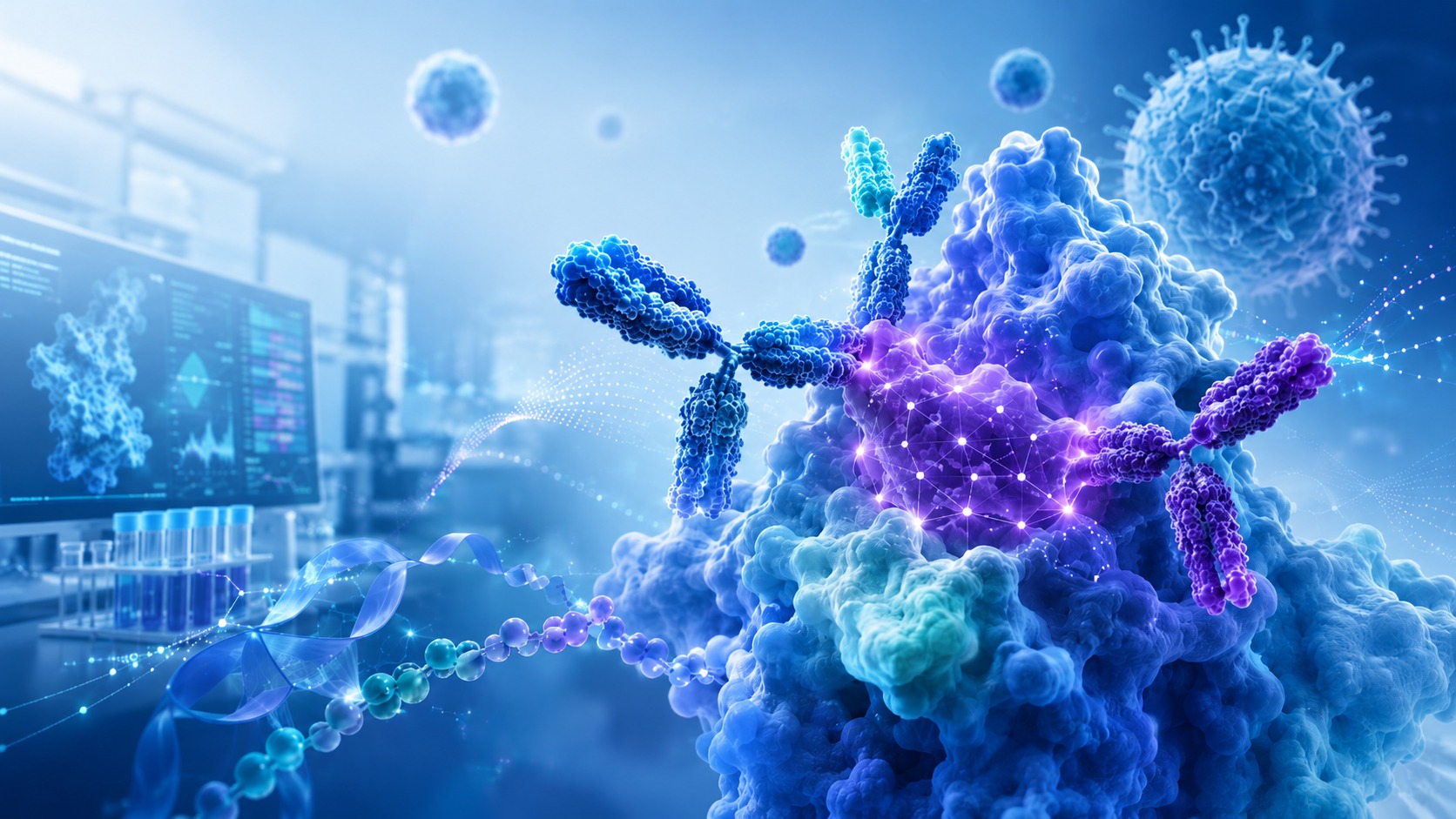
Epitope-level insight is therefore becoming an important part of early candidate differentiation and downstream development planning. For antibody discovery programs, epitope mapping can support candidate prioritization by helping scientists compare binding sites, identify linear or conformational epitopes, evaluate epitope overlap, and select antibody panels with complementary recognition patterns. These data can be especially valuable when advancing therapeutic antibody candidates, developing diagnostic antibodies, or building antibody combinations for oncology and infectious disease research.
In vaccine and immunology workflows, epitope discovery can help research teams evaluate antigen design, immune-dominant regions, and B-cell or T-cell recognition patterns. In the post-mRNA vaccine era, where antigen design and immune response profiling remain central to vaccine research, a clearer understanding of epitope recognition can provide useful evidence for peptide-based studies, immune monitoring, and early-stage vaccine characterization.
To address these increasingly project-specific characterization needs, Creative Biolabs has expanded its CreMap™ Epitope Mapping and Discovery Services. The platform supports both B-cell epitope mapping and T-cell epitope discovery, helping researchers investigate antigen-antibody interactions, antigen-T-cell recognition, and epitope characteristics that may influence candidate selection or later experimental strategy.
Rather than relying on a single-method approach, Creative Biolabs positions CreMap™ as a flexible workflow that can be adapted according to antigen type, antibody format, sample availability, research objective, and desired data output. This project-specific design is particularly relevant for complex proteins, conformational epitopes, closely related antibody candidates, and studies where epitope-level differentiation is needed to support decision-making.
* Learn more about the CreMap™ system.
The company's broader capabilities also include next-generation antibody sequencing services, which can support antibody sequence characterization and de novo sequencing workflows. When combined with epitope mapping data, antibody sequencing may help researchers connect antibody sequence information with antigen recognition behavior, providing a more integrated view of candidate characteristics.
Creative Biolabs also offers immunologic analysis services for a range of biotherapeutic candidates, including proteins, enzymes, antibodies, and antibody-drug conjugates. These services can support immunogenicity-related research by helping scientists evaluate immune response profiles and candidate behavior in the context of biologics development.
For biotechnology, pharmaceutical, and academic research teams developing therapeutic antibodies, vaccines, or immunogenicity studies, integrated epitope characterization can provide practical value across discovery and preclinical research. By combining multi-method epitope mapping, antibody sequencing, and immunologic analysis, Creative Biolabs aims to support researchers seeking more detailed evidence for candidate comparison, functional assay planning, and translational decision-making.
Researchers developing antibody, vaccine, or biologics programs can discuss project-specific epitope characterization strategies with Creative Biolabs. Visit https://www.creative-biolabs.com/ to learn more.